Digital Printing – Variable Data
General Information
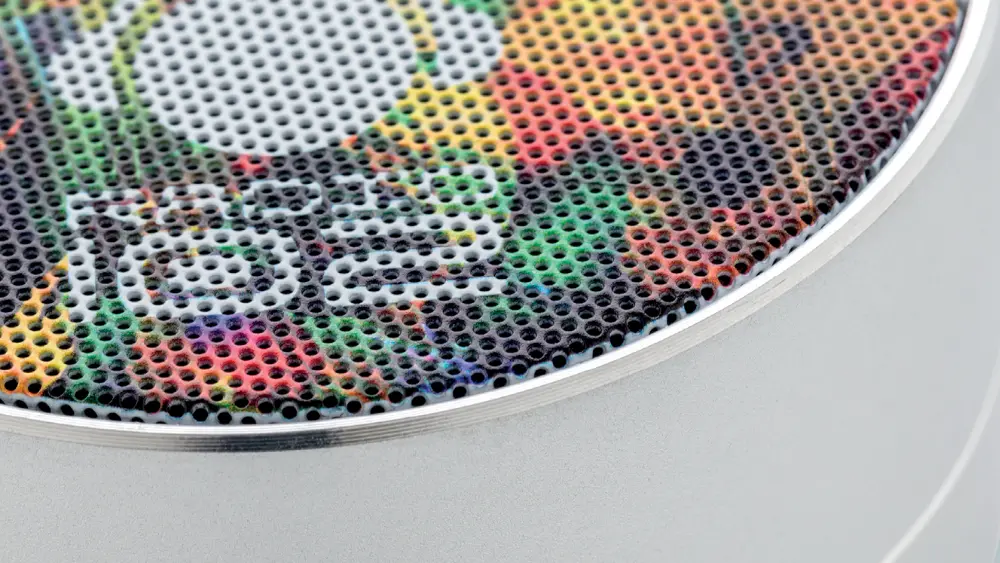
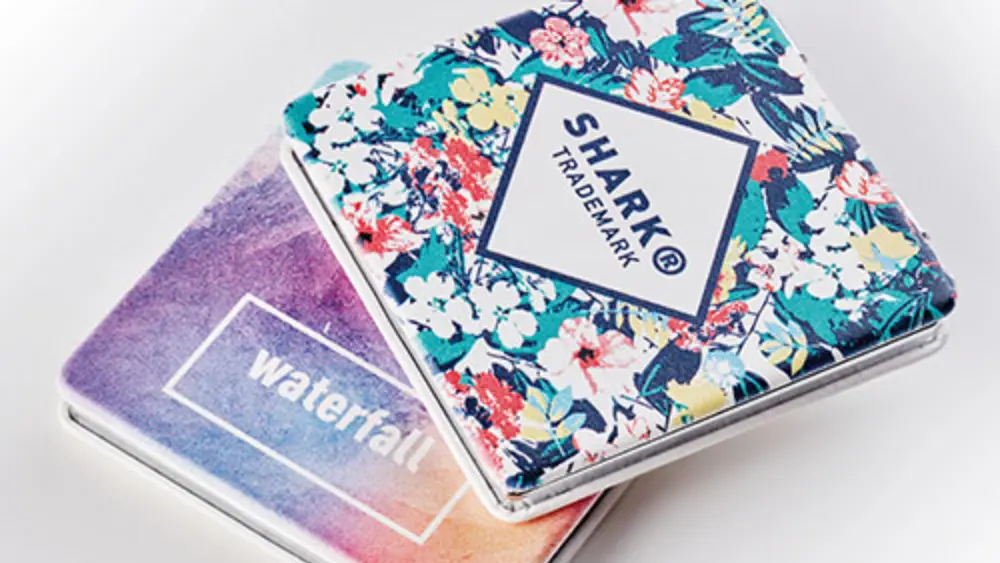
Variable data digital printing is carried out using a UV color digital printer. This advanced process allows high‑quality color images to be reproduced on different materials. All image files are digitally prepared and then sent to the printing machine. To transfer the logo and the variable data onto the product, this technique uses inkjet technology. The image is generated through the emission of numerous ink droplets on the surface to be customized, which combine to form colors and visual representations. This method is mainly applied to flat and uniform products, as the distance between the print head and the object must remain constant. It is a direct printing technique that enables the creation of gradients. Variable data printing, also known as nominative printing, allows unique information to be added to each item, such as a name or a different number.
Discover all items customizable with variable data digital printing Explore the selection
Main Features
✅ Advantages
- High graphic quality with accurate details and faithful colors
- Unlimited number of colors, including gradients
- Large full‑color customizations without loss of detail
- No plates or setups: almost instant start and fast production
- Cost‑effective for small print runs
- Compatible with various materials: plastic, metal, wood, paper, PU and glass
❌ Disadvantages
- Applicable only on flat and regular surfaces
- The print head–object distance must remain constant
- Less convenient for large‑scale production
- Unit cost does not decrease as in techniques requiring printing plates
Customization and Production Times
Variable data digital printing ensures high graphic quality with precise details. Regardless of the available printing area, nominative digital printing allows images to be reproduced without loss of detail. This technique can only be applied to items with a flat and regular surface. Production times are shorter compared to other methods. It is a highly precise printing process, ideal for fine details and accurate color reproduction.
Colors and Materials
This printing method guarantees the use of a wide range of colors without restrictions, including gradients. Variable data digital printing can be applied to several materials, including Plastic, Metal, Wood, Paper, Polyurethane (PU), and Glass.
Maximum Number of Colors
There is no maximum limit to the number of colors that can be used. One of the main advantages of nominative digital printing is the ability to faithfully reproduce any type of image. All colors can be replicated, including gradients.
Equipment and Support Materials
A distinctive element of variable data digital printing is its production speed and efficiency. Without the need for plates or special equipment, the process can be started almost instantly. This helps reduce production times, which is crucial for companies that must meet deadlines or handle last‑minute requests.
Printing Costs
Variable data digital printing does not require setup costs, making it particularly suitable for small print runs. It is more economical than other techniques when applied to a limited number of items.
Suitable Products
This printing technique is commonly used on items such as pens, notebooks, tech devices, labels, and badges.
Warnings
Nominative digital printing may not always be the ideal choice for large‑scale production. Costs increase compared to more traditional techniques when printing high volumes. Additionally, it is applicable only to flat products with regular surfaces.